Laparoscopy is recommended when the expected benefit of viewing or treating pelvic disease through small abdominal incisions outweighs medication, observation, hysteroscopy, vaginal surgery or an open operation. By the end, you will know which conditions commonly lead to a laparoscopic consultation, what tests and risks shape the decision, and when urgent or alternative care is more appropriate.
Key takeaways
- Laparoscopy is considered after symptoms, scans, fertility goals and previous treatment are reviewed.
- Open or urgent surgery is safer when bleeding, severe infection or complex disease requires rapid access.
- Ask how surgery could affect fertility, ovarian tissue, fallopian tubes and future pregnancy plans.
- Compare recovery time, complications and surgeon experience before consenting to an operation.
What minimally invasive gynecological surgery includes—and when laparoscopy is used
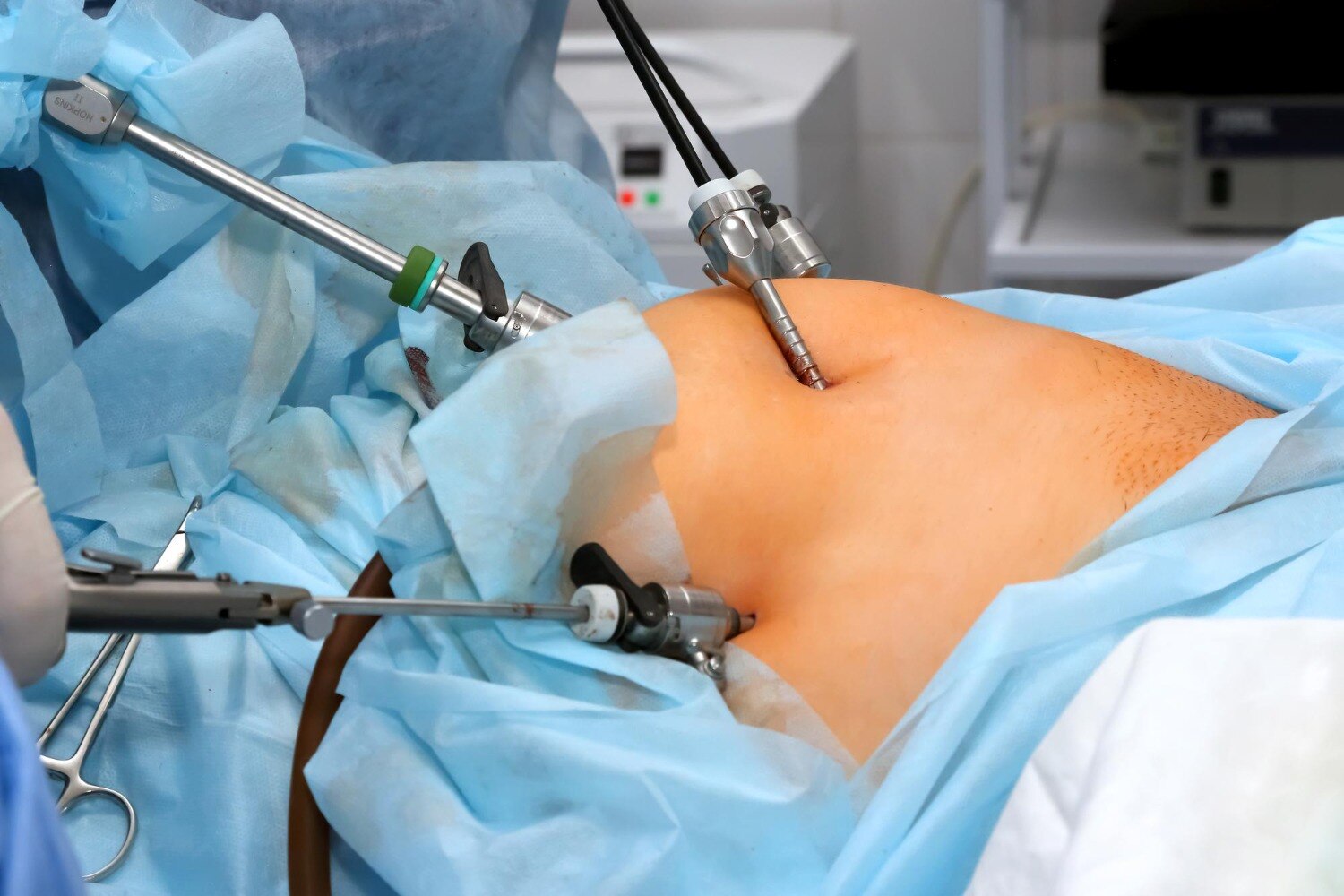
Laparoscopy passes a camera and fine instruments through small abdominal incisions to inspect or treat pelvic organs. Open abdominal surgery uses one larger incision. Minimally invasive gynecological surgery also includes robotic laparoscopy, hysteroscopy and vaginal surgery; robotic assistance is a platform, not a separate reason for operating.
| Approach | Entry and main use | Typical role |
|---|---|---|
| Laparoscopy | Small abdominal incisions | Diagnoses or treats disease around the uterus, tubes and ovaries |
| Robotic laparoscopy | Small abdominal incisions with robot-assisted instruments | Performs selected laparoscopic procedures; it is not automatically safer or more effective |
| Hysteroscopy | Through the vagina and cervix | Treats the uterine cavity, including polyps and submucosal fibroids |
| Vaginal surgery | Through the vagina | Treats selected prolapse or permits vaginal hysterectomy |
A diagnostic laparoscopy looks for causes such as endometriosis, pelvic adhesions or tubal disease; a therapeutic procedure removes, repairs or treats what is found. Both purposes can occur in one operation.
A laparoscopic gynecologist may recommend it for a painful or persistent ovarian cyst, ectopic pregnancy, endometriosis, selected fibroids, chronic pelvic pain, infertility-related tubal disease, adhesions, selected uterine prolapse, or abnormal bleeding when another route is unsuitable.
The condition alone does not choose the route. Symptoms, ultrasound or MRI findings, cyst size and appearance, anatomy, previous operations, suspected cancer, fertility plans and the intended treatment determine whether observation, medication, hysteroscopy, laparoscopy or open surgery is safest.
How the recommendation is made: symptoms, scans, fertility and failed treatment
Symptoms, their duration and impact come first. A pelvic examination, ultrasound findings, medical history, prior operations and likely adhesions then shape the decision. MRI is useful when ultrasound is unclear, disease is deep, or anatomy needs mapping before surgery.
A simple, asymptomatic ovarian cyst can be monitored with repeat ultrasound, especially before menopause. Ovarian cyst laparoscopy becomes more likely when the cyst is painful, enlarging, persistent, complex or suspicious; removal then allows tissue assessment. A suspected cancer may require a different operation and specialist planning, not routine laparoscopy.
Hormonal treatment or pain relief may precede endometriosis surgery. Laparoscopy becomes more relevant when symptoms persist or return, imaging is inconclusive, or treatment for endometriosis, an endometrioma or adhesions is planned. A normal examination or scan does not exclude endometriosis.
| Condition | Usual route | What influences the choice |
|---|---|---|
| Submucosal uterine fibroids | Hysteroscopy | Projects into the uterine cavity |
| Selected intramural or subserosal fibroids | Laparoscopy | Size, number, position and uterine-preservation plans |
| Large or numerous uterine fibroids | Open surgery | Safe removal, reconstruction or visibility |
| Adhesions or tubal disease | Laparoscopy | Diagnosis and treatment in one procedure |
Pelvic adhesions surgery can restore anatomy, but laparoscopy does not guarantee improved fertility. The clinician weighs ovarian reserve, tubal function, pregnancy plans and the risks of operating against observation or medication.
A stable condition that has not failed treatment may not justify surgery; persistent symptoms, worsening findings or a planned therapeutic benefit can change that balance.
When another treatment or an urgent operation is safer
A stable ectopic pregnancy does not automatically need surgery. Expectant management or methotrexate can suit carefully selected patients with no rupture, acceptable hCG and ultrasound findings, few symptoms, no contraindication, and reliable follow-up; local protocols differ.
Ectopic pregnancy laparoscopy becomes more likely with significant pain, a mass at least 35 mm, fetal heartbeat, hCG at least 5,000 IU/L, or inability to complete follow-up.
| Option | What it means | When it applies |
|---|---|---|
| Observation | Monitor symptoms, scans and hCG | Stable, low-risk ectopic pregnancy or an uncomplicated cyst |
| Methotrexate | Medication that treats selected ectopic pregnancy | No rupture, suitable hCG and scans, and dependable follow-up |
| Hysteroscopy | Enters through the vagina and cervix | Polyps or cavity-based fibroids; hysteroscopy versus laparoscopy favours hysteroscopy here |
| Uterine artery embolisation | Blocks blood flow to shrink fibroids | Selected fibroids after discussing symptoms and fertility plans |
| Vaginal surgery | Removes or repairs through the vagina | Feasible hysterectomy or prolapse repair |
| Open surgery | Uses an abdominal incision | Cancer principles, safe specimen removal, very large masses or unsafe visibility |
Seek emergency care for severe one-sided pain with fainting, heavy bleeding, fever, vomiting, abdominal distension, or a positive pregnancy test with pain or bleeding. Suspected rupture or instability needs urgent surgery, not planned observation.
Extensive cancer, major adhesions, uncontrolled bleeding, poor visibility or severe anaesthesia risk can make open surgery safer or justify a second opinion. During pregnancy, necessary surgery should not be delayed, but elective surgery is generally postponed; any laparoscopy during pregnancy requires specialist assessment.
What preparation, surgery, recovery and risks actually involve
Laparoscopy preparation depends on the diagnosis and your health. Expect pregnancy testing when relevant, blood tests including haemoglobin, pelvic ultrasound and MRI when indicated. An anaesthetist reviews allergies, medicines, diabetes, hypertension, obesity and clotting risk according to hospital protocol. Fasting, transport home, help overnight, extra appointments and time away from work all require planning.
| Option | What to expect | Practical impact |
|---|---|---|
| Same-day discharge | Go home after observation once alert, drinking and passing urine | Arrange an adult escort and home support |
| Overnight observation | Stay for pain control, monitoring or a longer procedure | Pack medicines and plan for the following day |
| Open surgery | A larger abdominal incision and longer recovery | More hospital time and a greater work interruption |
During surgery, general anaesthesia keeps you asleep. Carbon dioxide gently inflates the abdomen so a camera and instruments can pass through small incisions; the surgeon may remove tissue or send it for histopathology.
Conversion to open surgery is a safety decision if bleeding, organ injury, dense adhesions, limited visibility, unexpectedly extensive disease or unsafe specimen removal occurs.
Laparoscopic surgery recovery varies by procedure. Shoulder-tip pain from the gas, tiredness and bruised incisions are common; keep wounds clean and dry as instructed, and confirm when to drive, work, exercise and attend follow-up. Ask for procedure-specific timelines.
Laparoscopy risks include bleeding, infection, bowel, bladder, ureter or blood-vessel injury, anaesthesia complications, clots, adhesions, persistent symptoms and recurrence. Expect urgent review for heavy bleeding, fever, worsening pain, breathlessness or a swollen leg.
How fertility goals and surgeon experience change the final decision
Future pregnancy changes the operation’s purpose: removing disease is not enough; the plan must protect ovarian tissue, the uterus and tubal function. Fertility-preserving laparoscopy may improve conception when endometriosis, adhesions or tubal disease is limiting fertility, but surgery can also reduce ovarian reserve, scar the tubes or fail to improve pregnancy rates.
For an ovarian cyst, ask whether ovarian-sparing surgery can remove the cyst while preserving healthy cortex, rather than removing the ovary. Endometriosis excision and adhesion division require similar judgement: incomplete treatment can leave symptoms, while aggressive dissection can injure the ovary, bowel or tube.
| Procedure | Main advantage | Decision point |
|---|---|---|
| Conventional laparoscopy | Established instruments and smaller incisions | Surgeon’s procedure-specific skill, anatomy, equipment and cost |
| Robotic gynecologic surgery | Wristed instruments and magnified control | Complex access may justify it; it is not automatically safer or more effective |
| Open surgery | Direct access and easier removal of some large or suspicious masses | Consider when cancer principles, bleeding or visibility make laparoscopy unsafe |
Use this laparoscopic gynecologist consultation checklist:
- Why is surgery recommended now, and what happens if I observe or use medication?
- Can my ovaries, uterus and fertility be preserved?
- What happens if findings differ from the scan?
- Will tissue go for histopathology?
- What hospital stay, recovery period and warning signs should I expect?
- What facilities, anaesthesia support, pathology access and emergency backup are available?
Verify experience with your exact procedure, not just the label “laparoscopic gynecologist.” Dr Suparna Ganguly offers a Bengaluru consultation focused on matching the route to diagnosis, fertility plans and safety factors, with informed consent before proceeding.
Frequently asked questions
What does minimally invasive gynecological surgery include?
It includes conventional laparoscopy, robotic laparoscopy, hysteroscopy and vaginal surgery. Robotic assistance is a surgical platform, not a separate reason for operating.
How is the need for laparoscopic surgery decided?
A gynecologist considers your symptoms, examination, ultrasound or MRI findings, fertility plans and response to medication or other treatments.
When is open or urgent surgery safer than laparoscopy?
Open or urgent surgery can be safer for heavy internal bleeding, severe infection, extensive disease, large or complex masses, or situations requiring rapid access.
What should you expect during recovery from laparoscopic surgery?
Expect small abdominal incisions, anaesthesia, temporary abdominal or shoulder-tip discomfort, activity restrictions and follow-up. Recovery varies with the procedure and your health.
How do fertility goals affect the surgical decision?
Your surgeon should weigh ovarian reserve, fallopian-tube function, uterine anatomy and the effect of removing or preserving reproductive tissue before recommending an approach.