A cycle that arrives early, disappears, becomes unusually heavy or changes alongside acne, hot flushes or pelvic pain deserves context rather than guesswork. By the end, you will know which changes need urgent care, which justify a routine appointment and what information and first tests can make the visit more useful.
Key takeaways
- Seek emergency care after soaking one pad hourly for two hours with weakness or breathlessness.
- Book an appointment for cycles shorter than 21 days, longer than 35 days, or absent for 90 days.
- Record bleeding, pain, medicines, pregnancy tests, weight changes, and other symptoms before your visit.
- Pregnancy, thyroid disorders, PCOS, fibroids, perimenopause, and contraception can alter menstrual patterns.
Which period changes need urgent care or a prompt appointment?
Seek emergency care if you are soaking a pad every hour for two consecutive hours, especially with fainting, lightheadedness, shortness of breath, chest pain, or marked weakness. Heavy menstrual bleeding with these symptoms can signal significant blood loss, not simply a hormonal change.
An irregular period means cycles shorter than 21 days, longer than 35 days, fewer than eight periods a year, or cycle lengths that vary by more than 7 to 9 days. A missed period needs a pregnancy test first, even if you use contraception.
| Situation | What it means | What to do |
|---|---|---|
| Very heavy bleeding with weakness or fainting | Possible significant blood loss | Go to emergency care now |
| Positive pregnancy test with bleeding, severe one-sided pelvic pain, shoulder pain, or fainting | Possible ectopic pregnancy | Seek emergency care immediately |
| Bleeding after 12 months without a period | Postmenopausal bleeding | Arrange prompt assessment |
| New heavy or prolonged bleeding, bleeding between periods, or bleeding after sex | Needs evaluation even without severe symptoms | Book a gynecological appointment |
| No period for three months when you are not pregnant, persistent pelvic pain, or new excess facial hair and acne | Possible ovulation, hormonal, medication-related, or structural problem | Arrange a non-emergency appointment |
In adolescents, a gap of more than 90 days, bleeding beyond seven days, or needing a pad or tampon every one to two hours needs assessment. Changing cycles during perimenopause still deserve review when bleeding becomes new, frequent, prolonged, or unusually heavy.
How do pregnancy, age and recent changes affect what an irregular cycle means?
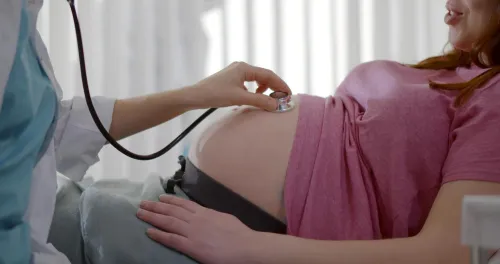
After a missed period, take a pregnancy test, even if you use contraception. A positive result with pelvic pain, shoulder pain, fainting or unusual bleeding needs urgent assessment because ectopic pregnancy is possible.
The same cycle change means different things at different stages:
- Adolescent menstrual cycles can be irregular for the first few years, but a gap longer than 90 days, repeated cycles outside 21–45 days, or bleeding beyond 7 days needs assessment.
- Breastfeeding and periods often do not follow a predictable schedule. Ovulation can return before the first postpartum period, so pregnancy remains possible.
- After childbirth, recovery, breastfeeding, anaemia and thyroid changes can alter bleeding; persistent heavy or prolonged bleeding deserves review.
- Perimenopause bleeding may become lighter, heavier, more frequent or separated by skipped cycles. New heavy, prolonged or between-period bleeding still needs evaluation. Bleeding after 12 months without a period is postmenopausal bleeding.
- Rapid weight loss, weight gain, restricted eating or intense exercise can suppress ovulation.
- Major stress or illness can delay ovulation and shift the next period.
- New medicines, including hormonal contraception, steroids and some psychiatric medicines, can change bleeding patterns.
Keep a diary of dates, flow and symptoms. Arrange an appointment if periods stop for three months when you are not pregnant, or if the change persists after the trigger has resolved.
Which symptoms and conditions can sit behind hormonal changes?
Acne, new facial hair, hot flushes, nipple discharge and pelvic pain can reflect hormone shifts, structural conditions, medication effects or more than one cause. A symptom is a clue, not a diagnosis.
| Symptom or pattern | Possible explanations | What the pattern does not prove |
|---|---|---|
| Acne or excess facial hair | PCOS symptoms, increased androgen activity, certain medicines, or rarely an adrenal or ovarian disorder | Irregular cycles alone do not establish PCOS |
| Hot flushes or vaginal dryness | Falling oestrogen during perimenopause, ovarian insufficiency, or medicines that affect ovarian function | Age alone does not confirm the cause |
| Nipple discharge | High prolactin, thyroid disease, pregnancy, breastfeeding, chest stimulation, or medicines such as some antipsychotics | Discharge is not automatically a breast or pituitary disorder |
| Pelvic pain or heavier bleeding | Fibroids and adenomyosis, endometriosis, ovarian cysts, infection, or a pregnancy-related problem | A normal ultrasound does not exclude every cause |
| Widely spaced or absent periods | Thyroid disease and periods can be linked; weight loss, restrictive eating, intense training, major illness, stress, or hormonal contraception can also suppress ovulation | A single missed period does not identify a hormone disorder |
Seek assessment if these symptoms persist, combine with cycle changes, or appear after starting a medicine. Tell the clinician about headaches or vision changes with nipple discharge, because those details help determine whether prolactin or another endocrine cause needs testing. Stop treating an online “hormone imbalance” label as an answer; targeted history and examination matter.
What should you record before seeing a gynecologist?
Bring a menstrual diary, app record, or written period tracking log to your appointment. It helps distinguish infrequent ovulation from unpredictable or prolonged bleeding.
1. Record the first day of each period, cycle length, number of bleeding days, and whether bleeding occurred between periods or after sex. Note flow using practical details, such as how often you changed pads or tampons, and describe clots by approximate size.
2. Give each day of pain a pain score from 0 to 10. Record where it hurts, whether the pain is one-sided, and whether you also had dizziness, fainting, fever, unusual discharge, or pain during sex.
3. Note any pregnancy possibility, including a missed or broken contraceptive method, and record your contraception type, start date, and recent changes. Include breastfeeding, recent childbirth, and the date of any home pregnancy test.
4. List every medicine, supplement, and hormonal treatment, including recent starts or stops. Record weight changes, eating restriction, intense exercise, major illness, and significant stress.
5. Add associated symptoms: acne, new facial or body hair, scalp hair loss, hot flushes, headaches, vision changes, nipple discharge, constipation, feeling unusually cold or hot, palpitations, and persistent pelvic pain. Bring the dates of relevant blood tests, scans, or previous diagnoses.
Which checks might a gynecologist use, and when is specialist assessment useful?
A pregnancy test is usually the first investigation for a late or missed period, even when you use contraception. Your gynecologist then selects tests from your bleeding pattern, symptoms, examination, age and medical history rather than ordering every hormone available.
| Check | What it can clarify | When it fits |
|---|---|---|
| Pregnancy test | Pregnancy, including a possible ectopic pregnancy | Any unexpectedly late or missed period |
| Complete blood count and iron assessment | Anaemia or iron loss from heavy bleeding | Heavy, prolonged or frequent bleeding |
| TSH and prolactin | Thyroid disease or raised prolactin affecting cycles | Symptoms or examination findings suggest these causes |
| Androgen testing | Biochemical excess of male-pattern hormones | New excess facial hair, acne or suspected ovulatory dysfunction |
| Pelvic ultrasound | Fibroids, polyps, adenomyosis or an abnormal endometrial lining | Bleeding patterns or examination findings suggest a structural cause |
A blanket hormone panel is not routine because isolated results rarely identify the cause, and hormonal contraception can make several hormone levels difficult to interpret. Irregular cycles alone also do not diagnose polycystic ovary syndrome; androgen results must be considered with ovulation history and other findings.
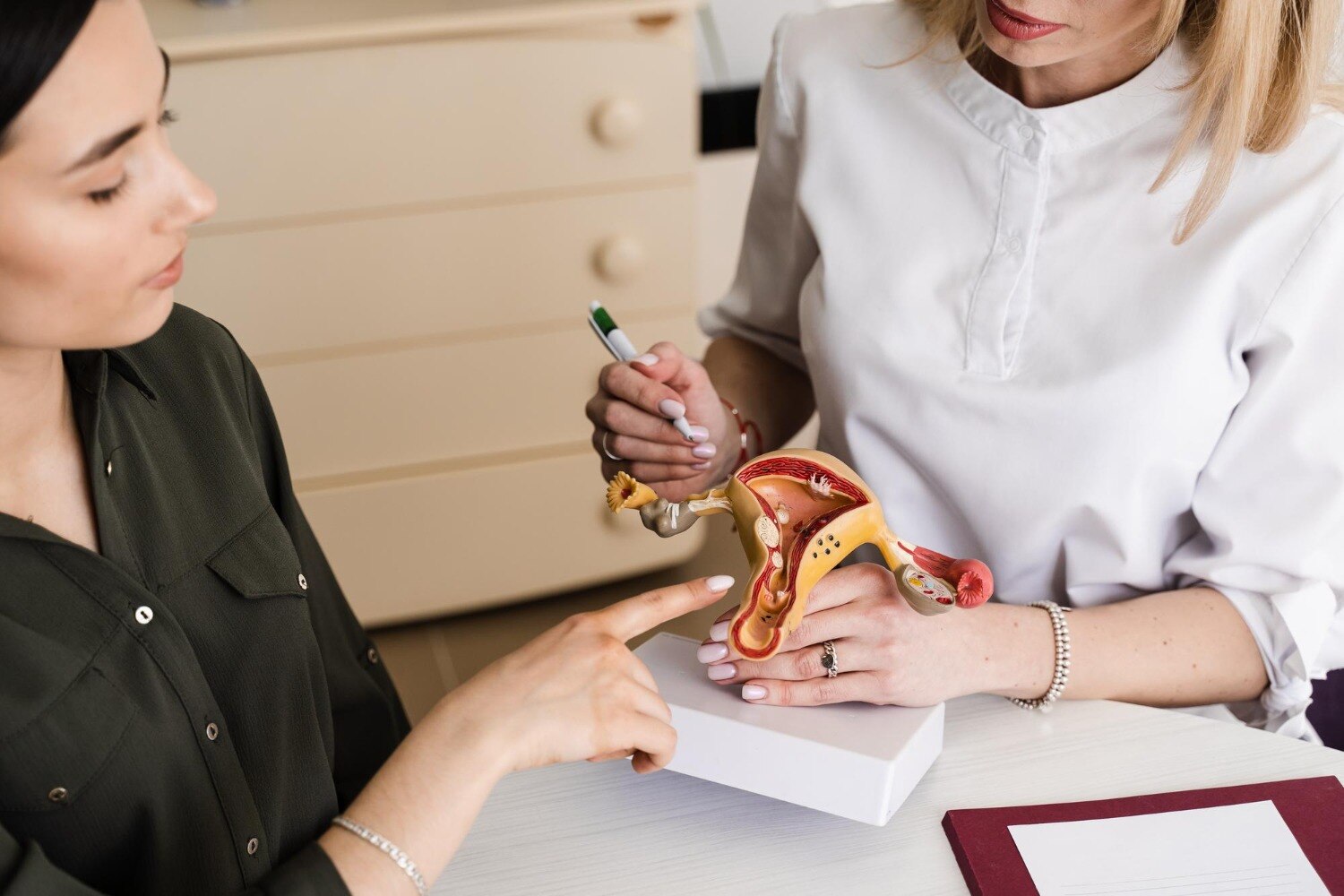
Endometrial sampling is commonly considered for abnormal uterine bleeding from age 45, or earlier when bleeding persists or risks include obesity, prolonged unopposed oestrogen exposure or failed treatment. A consultation with Dr Suparna Ganguly can match the next test to your actual pattern instead of adding unnecessary investigations.
Related services
Gynecologist Gynecologist ₹700 Dr. Suparna Ganguly is a trusted and experienced Gynecologist in Electronic City, Hosa Road, Bangalore, providing comprehensive healthcare services... |
Family Planning & Contraceptive Family Planning & Contraceptive ₹700 Dr. Suparna Ganguly provides comprehensive Family Planning and Contraceptive Services to help individuals and couples make informed decisions about... View service → |
Frequently asked questions
When do irregular periods need urgent care?
Seek emergency care if you soak a pad every hour for two consecutive hours, especially with fainting, lightheadedness, shortness of breath, chest pain, or marked weakness. Arrange a prompt appointment for repeated heavy bleeding, bleeding after sex, severe pelvic pain, or a missed period with pain or bleeding.
How can pregnancy and age affect what an irregular cycle means?
Take a pregnancy test after a missed period if pregnancy is possible. Puberty, the first year after childbirth, breastfeeding, perimenopause, and menopause change cycle patterns; new or heavy bleeding during these stages still needs assessment when it is persistent, painful, or disruptive.
What conditions can cause irregular periods and hormonal changes?
Possible causes include polycystic ovary syndrome, thyroid disease, high prolactin, fibroids, endometriosis, adenomyosis, perimenopause, significant weight change, intense exercise, stress, and hormonal contraception. A clinician uses your symptoms and examination to narrow the cause.
What should you record before seeing a gynecologist?
Record the first day of each period, cycle length, number of pads or tampons used, clots, spotting, pain, bleeding after sex, pregnancy-test results, medicines, contraception, weight changes, acne, excess hair growth, hot flushes, and nipple discharge.