Obstetrics and gynecology cover interconnected but distinct areas of women’s healthcare. Gynecology addresses reproductive and menstrual health, while obstetrics focuses on pregnancy, childbirth, and the period surrounding delivery.
For patients searching for an Obstetrics and Gynecology specialist near Hongasandra, understanding this combined scope can help them decide when specialist assessment may be useful.
Care Before Pregnancy
Obstetric care can begin before conception.
Preconception counseling may include reviewing medical conditions, medicines, previous pregnancy experiences, nutrition, vaccination status, and reproductive history.
Women with diabetes, hypertension, thyroid conditions, or previous pregnancy complications may particularly benefit from planning ahead.
Care During Pregnancy
Once pregnancy is established, antenatal care typically includes maternal assessment and appropriate monitoring of fetal development.
The specialist may review symptoms, blood pressure, investigations, ultrasound findings, medications, and pregnancy-specific risk factors.
The frequency and type of monitoring depend on individual circumstances.
Gynecological Care Outside Pregnancy
An obstetrician-gynecologist can also assess concerns such as:
- Irregular menstruation
- Heavy bleeding
- Pelvic pain
- Menopausal symptoms
- Vaginal symptoms
- Contraception
- Reproductive planning
- Selected ovarian or uterine conditions
Treatment is based on diagnosis rather than symptoms alone.
Procedures, Benefits and Risks
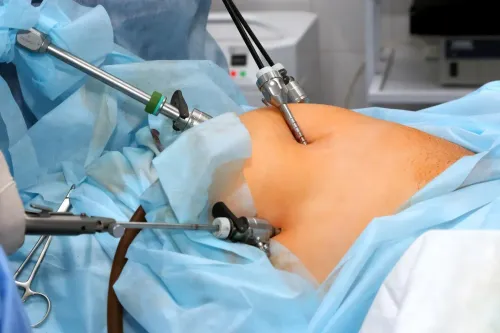
Some conditions may be managed conservatively or with medication. Others can require diagnostic or therapeutic procedures.
Before undergoing a procedure, patients should understand why it is recommended, alternatives, expected benefit, potential complications, anesthesia requirements, and likely recovery.
Risks vary substantially between procedures and may include bleeding, infection, pain, anesthesia-related complications, or risks specific to the treatment.
Pre-Procedure and Post-Procedure Care
Pre-procedure instructions may involve investigations, fasting, medication review, or other preparation.
After treatment, follow instructions about medicines, physical activity, wound care if relevant, and follow-up appointments. Recovery may range from a short period for minor interventions to several weeks after more significant surgery.
When Prompt Medical Attention Is Appropriate
Some symptoms should not wait for a routine appointment. Severe pelvic or abdominal pain, very heavy bleeding, fainting, fever with significant symptoms, or concerning symptoms during pregnancy warrant timely assessment.
Women in Bengaluru, Karnataka, benefit from knowing both where routine follow-up is available and where urgent care can be obtained.
Frequently Asked Questions
What is the difference between obstetrics and gynecology?
Obstetrics primarily covers pregnancy and childbirth, while gynecology focuses on the female reproductive system outside pregnancy.
Can the same specialist provide preconception and pregnancy care?
Often yes, depending on the clinician’s scope of practice.
Does every gynecological condition require surgery?
No. Many conditions are treated with observation, medication, lifestyle measures, or other non-surgical approaches.
How often should follow-up occur?
It depends on the diagnosis, treatment, and pregnancy stage where applicable.
Keywords